Fall
prevention
Starts with you
It’s never too early to prevent frailty and a fall
Falls can happen to anyone, but understanding your personal risk is the first step toward prevention. Preventing frailty and falls isn’t just about avoiding injury—it’s about being able to continue enjoying life’s simple pleasures. Most importantly, it’s about maintaining independence.
Frailty is a state that makes it harder to recover from illness. Living with frailty affects many older adults and can lead to worse health.
Older adults living with frailty are more likely to fall and become injured. The good news is that as we age, frailty can be prevented, slowed, or improved, which will also prevent falls.
(Source: Nova Scotia Health)

Fall prevention
Starts with you
It’s never too early to prevent a fall

Falls are not a normal part of aging
True or false? It’s time to challenge common myths about falls.
Falls can’t be prevented.
False
Most falls are preventable. Be aware of your risk and take steps to stay independent.
I’m too young to worry about falling.
False
Fall risks can begin earlier than you think. It’s never too soon to protect yourself.
There’s no one I can turn to for help.
FALSE
You’re not alone — there’s a community of support available to you in Nova Scotia.
Your frailty prevention and falls prevention plan starts here
Simple steps to protect yourself and support your community
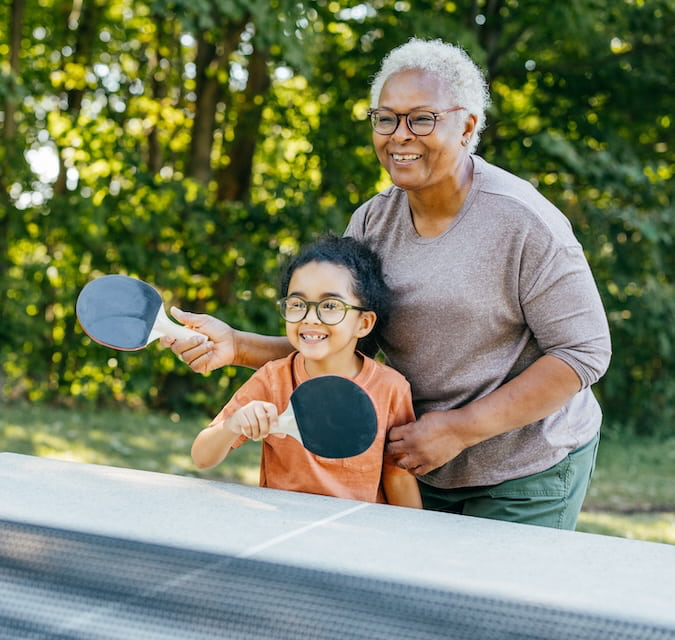
Keep enjoying the moments that matter
As you age, preventing falls becomes more important than ever. Small actions today can help you take charge of a safer, more independent future.
There are on average 10 hospital admissions each day in N.S. due to fall-related injuries among older adults.
Falls are the leading cause of injury and hospitalizations in older Canadian adults who are often living with frailty.
About 1 in every 3 adults aged 65 years or more living at home will fall at least once a year.
Older adults living with frailty are more likely to fall and become injured. The good news: frailty can be prevented, slowed and improved.

The Government of Nova Scotia is proud to host Finding Balance NS, and gratefully acknowledges the support and expertise of Trauma NB in bringing Finding Balance to Nova Scotians.